Pelvic Floor Strong - Pelvic Strengthening Exercises
Pelvic Floor Strong is a comprehensive pelvic floor training program developed by fitness expert Alex Miller. It’s designed to help women rebuild pelvic floor strength, reduce bladder leakage, and address other common pelvic health concerns naturally.
The program features a simple, progressive 3-step movement system that trains the pelvic floor and surrounding core muscles to function more effectively in daily life. By following these guided exercises, women can experience improved bladder control, enhanced core stability, and better recovery after pregnancy — including support for those managing diastasis recti.
Overview
Pelvic Floor Strong is a program designed to help strengthen pelvic muscles with simple, daily routines. Whether your concerns are bladder control, pelvic dysfunction, or rebuilding strength after childbirth, the plan focuses on practical exercises to improve pelvic health and overall core stability.
Independent Pelvic Floor Strong reviews and user feedback often point to clear, measurable results — improved bladder control, better pelvic floor support, and increased confidence in daily activities — though outcomes vary by individual.
Read on to learn what the program includes, who it’s best for, expected results, and when to seek primary care or specialist advice before starting.
What is Pelvic Floor Strong?
Pelvic Floor Strong is a guided exercise program created by Alex Miller, a women’s health specialist and fitness instructor. The program is largely aimed at women over 40 who are looking to reduce urinary issues such as leakage and frequent urination by improving pelvic floor strength and core support.
The program’s routines focus on strengthening pelvic floor muscles through progressive exercises. Strengthening the pelvic floor may also support better posture and a firmer midsection over time; some clinicians, including Heather Jeffcoat, DPT (founder of Femina Physical Therapy), note that improved pelvic support can contribute to overall core function and posture, though claims of weight loss or dramatic belly flattening should be viewed as potential secondary benefits rather than guaranteed outcomes.
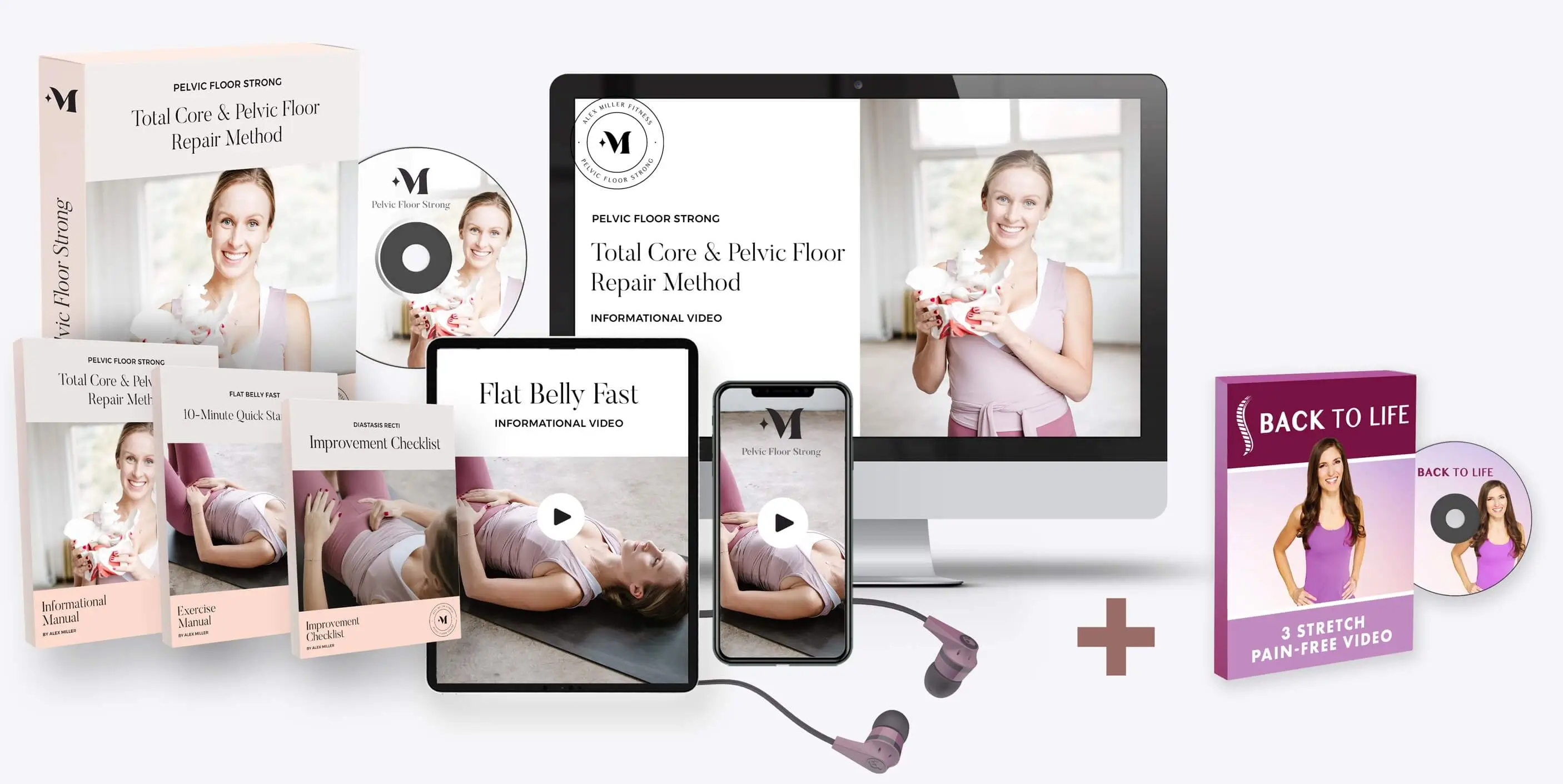
Pelvic Floor Strong is offered in digital and physical formats and delivers short daily exercise sessions designed to fit into busy routines. Typical sessions are brief (minutes per day) and combine Kegels, core work, and mobility drills so users can build pelvic floor strength progressively and track results over weeks.
Before starting, consider consulting your primary care provider or a pelvic health specialist—especially if you have a diagnosed pelvic organ prolapse, recent surgery, or severe incontinence—so you can follow a safe plan tailored to your needs.
About the Creator
Pelvic Floor Strong was created by Alex Miller, a women’s health specialist and fitness instructor based in Vancouver, Canada.
She developed the program after years teaching Pilates, functional movement, pre- and postnatal exercise, meditation, and strength training, combining movement education with pelvic floor–focused protocols to help women rebuild core and pelvic support.
Why this matters: a program designed by an instructor with hands-on experience in postpartum and functional training can better target the pelvic floor muscles and whole-body mechanics that affect bladder and bowel control. If you want to verify credentials or clinical endorsements, check the creator’s professional profile or ask for references before starting, and consider booking an appointment with primary care or a pelvic health clinician for personalized guidance.
How Pelvic Floor Strong Works?
Pelvic Floor Strong combines short, progressive exercise sessions with guided video instruction and educational resources to help women rebuild pelvic floor strength and overall core stability.
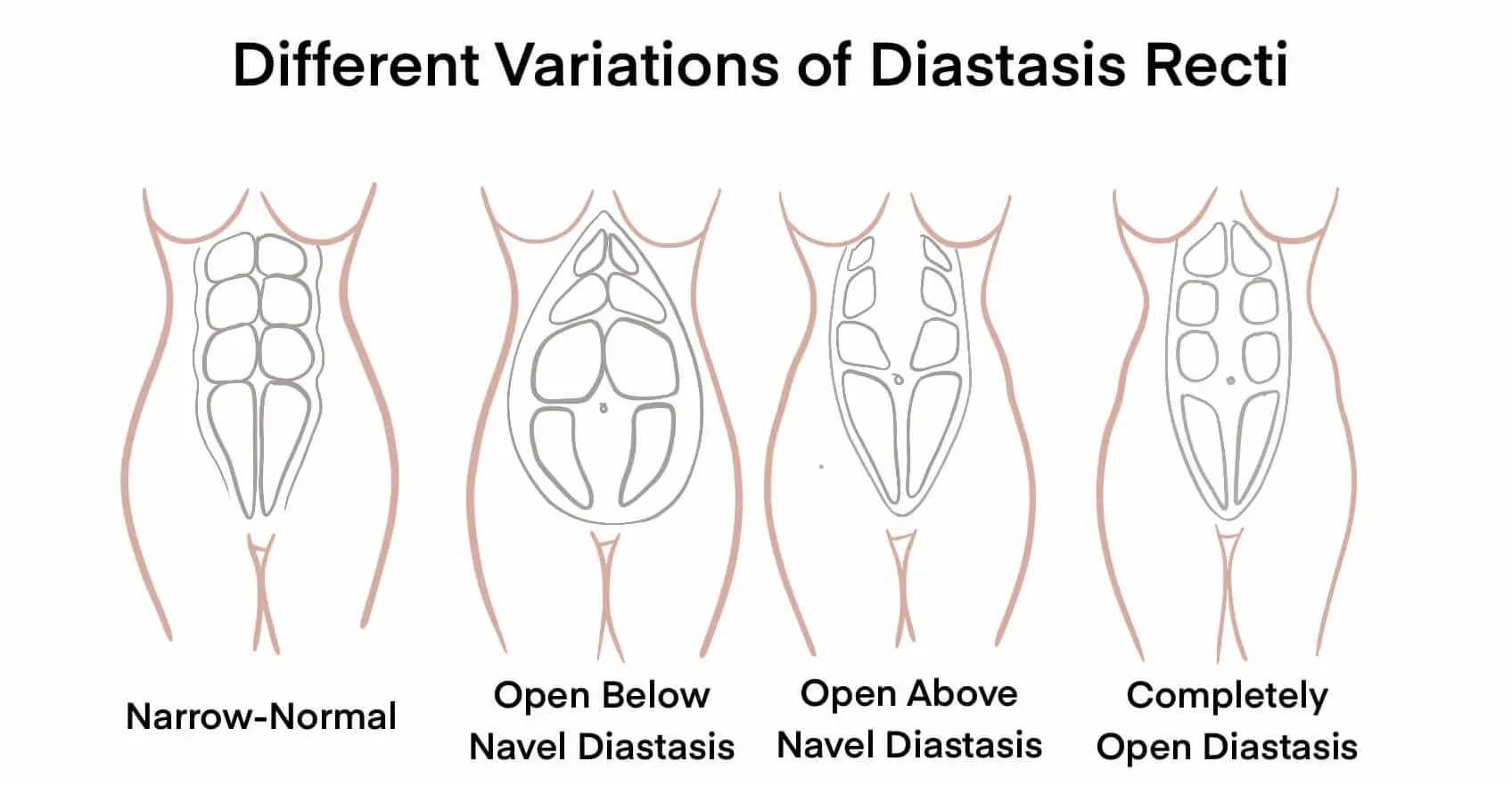
The program includes a variety of focused exercises — Kegel work, core-strengthening drills, diastasis-recti–friendly movements, and posture and mobility exercises — all intended to improve bladder and bowel control by restoring pelvic floor muscle function and whole-body support.
Kegel Exercises: These teach you to locate and contract the pelvic floor muscles. A common starting prescription is to hold each contraction for 5–10 seconds, perform 8–12 repetitions, and complete 2–3 sets per session as you build strength and endurance.
Core Exercises: Targeting the abdomen, hips, lower back, and pelvis, these exercises help integrate pelvic floor contraction with breathing and movement to reduce leaks during activity. Many routines include gentle progressions for diastasis recti and emphasis on neutral spine and pelvic alignment.
Posture & Mobility: Simple posture-improving drills and mobility work reduce strain on the pelvic floor and lower back, improving how the body supports internal organs and reducing pressure that can worsen incontinence or prolapse symptoms.
Whole-Body Conditioning: The program also offers low-impact full-body exercises that support weight management and metabolic health; while these can help flatten the midsection over time, weight loss is best achieved with combined nutrition and overall exercise plans rather than pelvic training alone.
Video Guidance: Clear, easy-to-follow videos demonstrate each movement and show proper form — for example, how to lie back with knees bent to perform pelvic tilts or Kegels safely, how to cue breath while tightening the pelvic floor, and how to position feet and knees for stability.
Sample 10-minute routine (example): 1) Activation: 1–2 minutes of diaphragmatic breathing with gentle pelvic floor contractions (hold 5 seconds x 8 reps). 2) Core integration: 4 minutes of modified core exercises (8–12 repetitions, 2 sets). 3) Mobility & posture: 3 minutes of hip and lower back mobility and posture resets. Progression over weeks increases repetitions, holds, or adds light resistance.
Safety & Scope: The program aims to address stress and urge urinary incontinence in many users, but results vary. If you have organ prolapse, recent pelvic surgery, severe incontinence, or pelvic pain, consult your primary care provider or a pelvic health specialist before beginning and consider booking an appointment for individualized guidance.
Benefits Of Pelvic Floor Strong:
Enhanced Core Stability: Targeted pelvic floor training strengthens the muscles that support the pelvis and lower abdomen, which can improve posture, balance, and overall body mechanics — lowering the risk of falls and everyday strain on the lower back.
Reduction in Incontinence: Many users report a significant reduction in urinary incontinence symptoms (stress or urge leaks) after consistent practice. While results vary, pelvic floor exercise programs are a first‑line, conservative approach to improving bladder control and reducing accidents.
Improved Intimacy: Stronger pelvic floor muscles can improve pelvic support and sensation, which some women find enhances sexual confidence and comfort.
Less Lower Back Discomfort: Because the pelvic floor is part of the core support system, improving its function can relieve some sources of lower back pain by improving alignment and load distribution through the pelvis and spine.
Support for Postpartum Recovery: New mothers often benefit from progressive pelvic floor and core work to regain strength and abdominal support. Recovery timelines vary; follow program progression and consult a clinician if you have concerns about diastasis or prolapse.
Better Bowel Control: Consistent strengthening of pelvic floor muscles can help improve bowel control for many people, reducing episodes of urgency or accidental bowel leakage.
Holistic Pelvic Health Education: Alex miller Pelvic Floor Strong combines exercise with educational guidance on posture, breathing, and movement patterns so users understand how pelvic floor muscles support internal organs and overall pelvic health.
Mental and Quality‑of‑Life Gains: Improvements in bladder and bowel control, plus greater confidence in daily activities, often translate into reduced anxiety and better overall quality of life for participants.
Important safety notes: avoid progressing intensity if you have diagnosed organ prolapse, recent pelvic surgery, or persistent pelvic pain without clinician clearance. If you have severe urinary incontinence or prolapse, make an appointment with your primary care provider or a pelvic health specialist before starting the program.
Where to Buy?
Pelvic Floor Strong Program is available only through its official website. Buying directly from the manufacturer ensures you receive the genuine program, guaranteeing top quality and proven effectiveness. Additionally, you’ll enjoy exclusive discounts, special promotions, and the security of a comprehensive 60-day money-back guarantee.